Accessible Navigation for Complex Environments

Hearsee provides reliable, audio-guided navigation across campuses, facilities, and connected public environments built with the blind and low-vision community.

Museums

Hearsee enables visitors to navigate exhibits and galleries independently, supporting a more inclusive museum experience.

Universities

Hearsee supports independent navigation across campus, helping students move confidently between classes, services, and shared spaces.

Airports

Hearsee provides structured navigation through terminals, helping travelers move confidently between check-in, security, and gates.

Hospitals

Hearsee supports more predictable navigation in medical facilities, helping patients and visitors move with reduced stress.

Campus and Public Space Navigation Use Cases

Where Traditional Navigation Breaks Down

When navigation tools stop working, people lose autonomy inside the places that matter most. Complex environments require structured, predictable infrastructure designed for accessibility.

How Hearsee Mobility Works

Hearsee maps environments based on how people actually move through them. The system delivers clear, predictable audio guidance that works alongside trusted mobility techniques without replacing them.

Mapped Environments

Spaces are mapped to reflect real movement patterns, not static floor plans.

Cane First Navigation

Hearsee enhances trusted mobility tools rather than replacing them.

Predictable Audio Guidance

Clear, consistent direction reduces cognitive load.

Adaptable Across Environments

Works across buildings, campuses, and connected public areas.

Bring Hearsee to Your Space

Utah Arts Academy
Utah Arts Academy became the first school to implement Hearsee, setting a new standard for inclusive navigation.
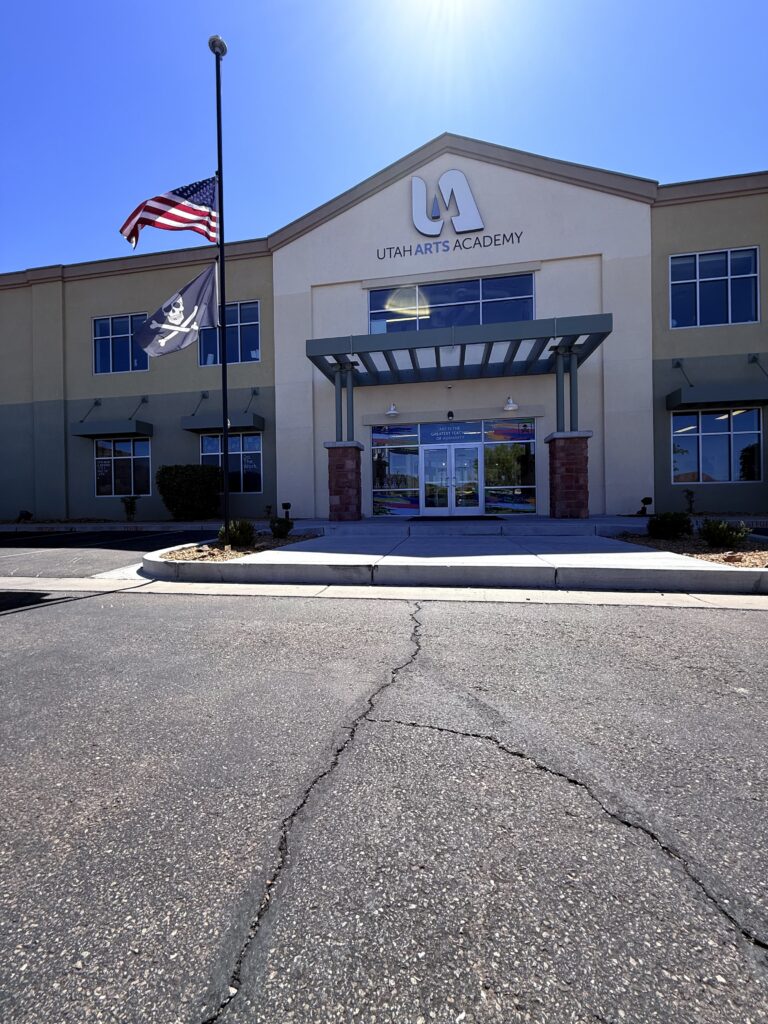
Image description
Seamless Integration
Hearsee was mapped throughout key areas of the school to support reliable navigation.
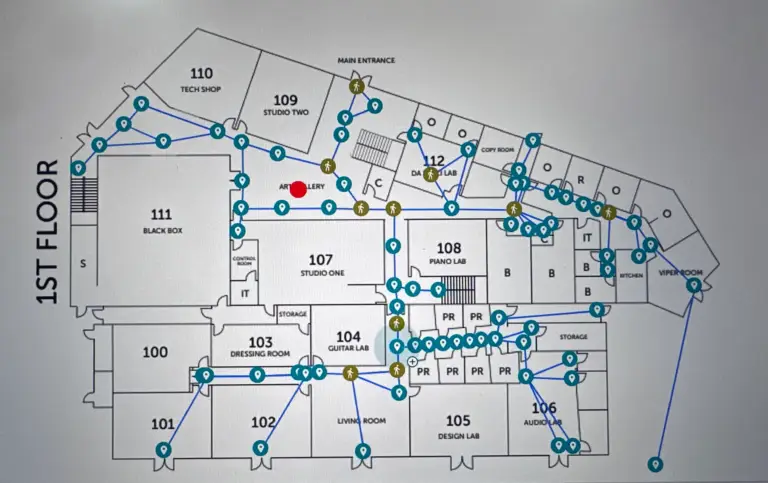
Image description
Clear, Audio Guided Direction
Students receive simple, step-by-step guidance to move confidently through the school.
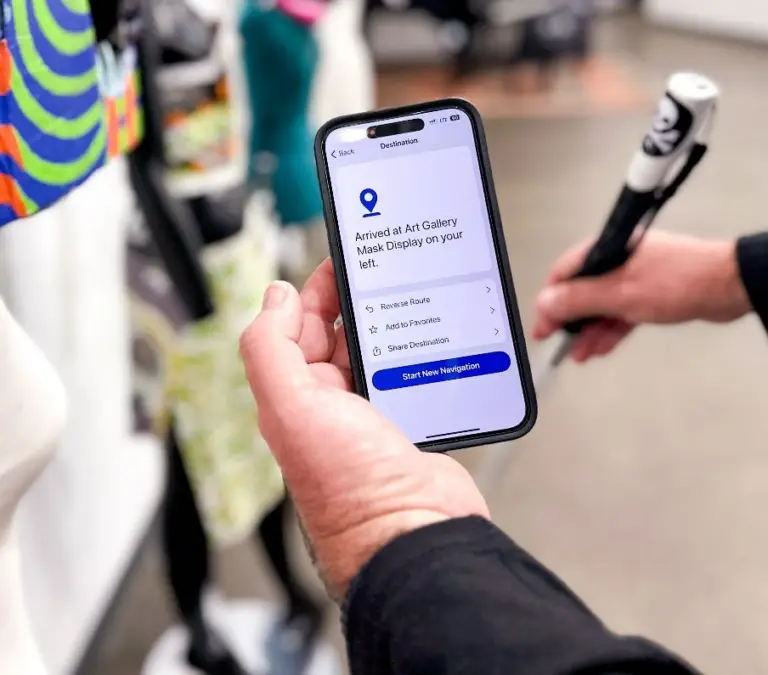
Image description
Access to Shared Experience
Hearsee allows blind students to explore artwork and shared spaces alongside their peers.
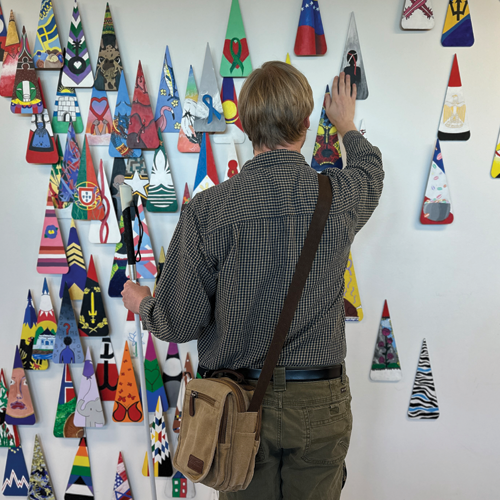
Image description

Navigation Designed for Real Spaces

Utah Arts Academy, was the first to integrate Hearsee Mobility into everyday spaces to support independent navigation.

Our students who are blind can now walk through the school, connect with the artwork, and interact with the space in a way they’ve never been able to before.

Drew Williams Ed.D

Principal - Utah Arts Academy

Headshot of Drew Williams smiling against a transparent background, wearing a black shirt, with short hair and light facial hair.

What This Means for Your Space

Structured navigation that supports independence and institutional excellence.

Visible Accessibility Leadership

Show measurable commitment to inclusive design and real access.

Consistent, Predictable Guidance

Provide structured navigation across large or layered spaces.

Aligned With Accessibility Goals

Strengthen compliance, equity initiatives, and inclusion strategy.

Independence Without Added Staff

Support autonomous movement without increasing staff workload.

Bring Hearsee to Your Environment

Request a demo to explore how Hearsee integrates into your campus or facility.

FAQ

ask us
anything

Hearsee is designed for schools, museums, hospitals, airports, and other public indoor spaces.

Hearsee integrates into existing spaces through mapping and lightweight infrastructure, without disrupting daily operations.

No. Hearsee is designed to support existing mobility techniques and provide guidance without changing how people move.

A demo introduces how Hearsee works in practice and explores how it could apply to your specific building.

Hearsee is currently deployed through pilots and partnerships. Availability depends on the building.