What real-world testing teaches us about independent navigation
TL;DR
Accessibility cannot be built from assumptions. It has to be tested in real environments with real users. During a recent hands-on session at Utah Arts Academy, blind and low vision participants explored connected navigation tools, shared feedback, and helped shape what accessible movement should actually feel like.
Real accessibility happens in real environments
Accessibility conversations often happen in conference rooms.
Real accessibility happens in the field.
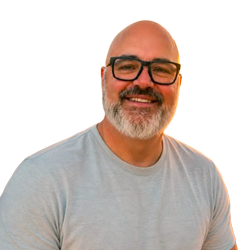
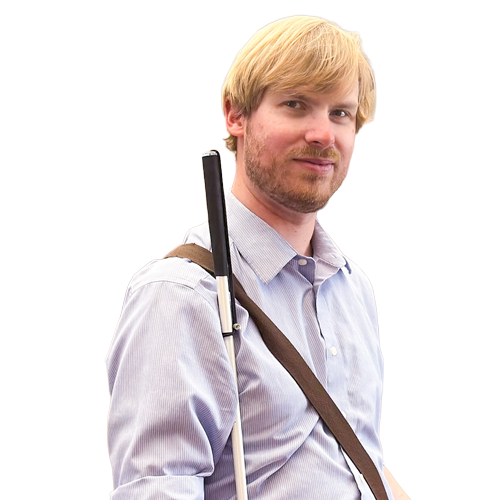
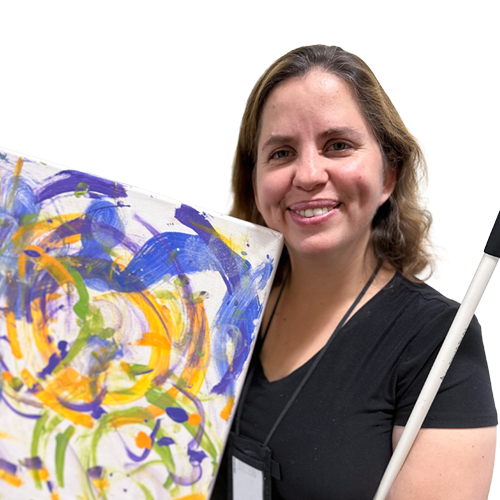
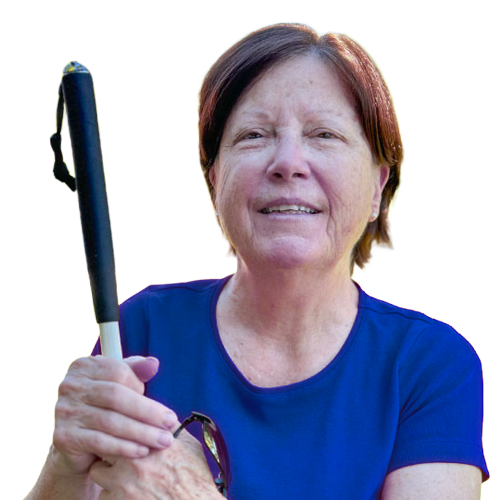
Recently, members of the blind and low vision community joined Hearsee for a hands-on navigation testing session at Utah Arts Academy. The goal was simple: put technology into real hands, inside a real environment, and learn from actual experience instead of theory.
Turns out, people are very good at spotting problems when they are the ones forced to walk into them. Revolutionary concept.
Participants tested connected navigation tools, explored app functionality, and provided direct feedback on usability, movement, comfort, and clarity.
Every interaction mattered.
Technology only works if people trust it
The testing session focused on more than whether the technology functioned.
We wanted to understand:
• Does navigation feel natural?
• Are instructions clear and useful?
• Does the experience reduce stress or create more of it?
• Can someone move independently with confidence?
That last part matters most.
Accessibility is not about adding features to check a compliance box. It is about creating systems people can actually rely on when navigating unfamiliar spaces.
Because nobody wants “technically accessible” directions that somehow still lead them into a ficus plant.
Building with the community instead of for the community
One of the biggest problems in accessibility innovation is that too many systems are designed without the people who will actually use them.
The blind and low vision community does not need guesswork disguised as innovation.
They need tools shaped by lived experience.
That is why sessions like this matter. Feedback gathered during testing directly influences how navigation systems evolve, how interfaces improve, and how environments can better support independent movement.
The people using the technology should always have the loudest voice in how it is built.
Independence changes everything
For many people, navigating large or unfamiliar environments can be exhausting, frustrating, or isolating.
Reliable navigation changes that.
It impacts:
• Confidence in unfamiliar spaces
• Access to education and employment
• Participation in community events
• Everyday independence
What may seem like a small improvement in navigation can create a massive shift in someone’s ability to move freely through the world.
And freedom of movement should not feel like a VIP feature locked behind confusion and bad signage.
What comes next
Testing is only the beginning.
Hearsee continues working alongside the blind and low vision community to improve indoor navigation experiences, strengthen accessibility tools, and help organizations rethink how people move through complex spaces.
The future of accessibility is not theoretical.
It is collaborative, practical, and built in the real world.
Get involved
Partner with Hearsee: Explore accessibility and navigation pilot opportunities
Request a demo: Experience connected navigation tools firsthand
Stay connected: Follow Hearsee Mobility for updates, testing sessions, and community stories
👉 Learn more: https://hearseemobility.org/for-community/