Why Navigation Still Fails in Complex Environments
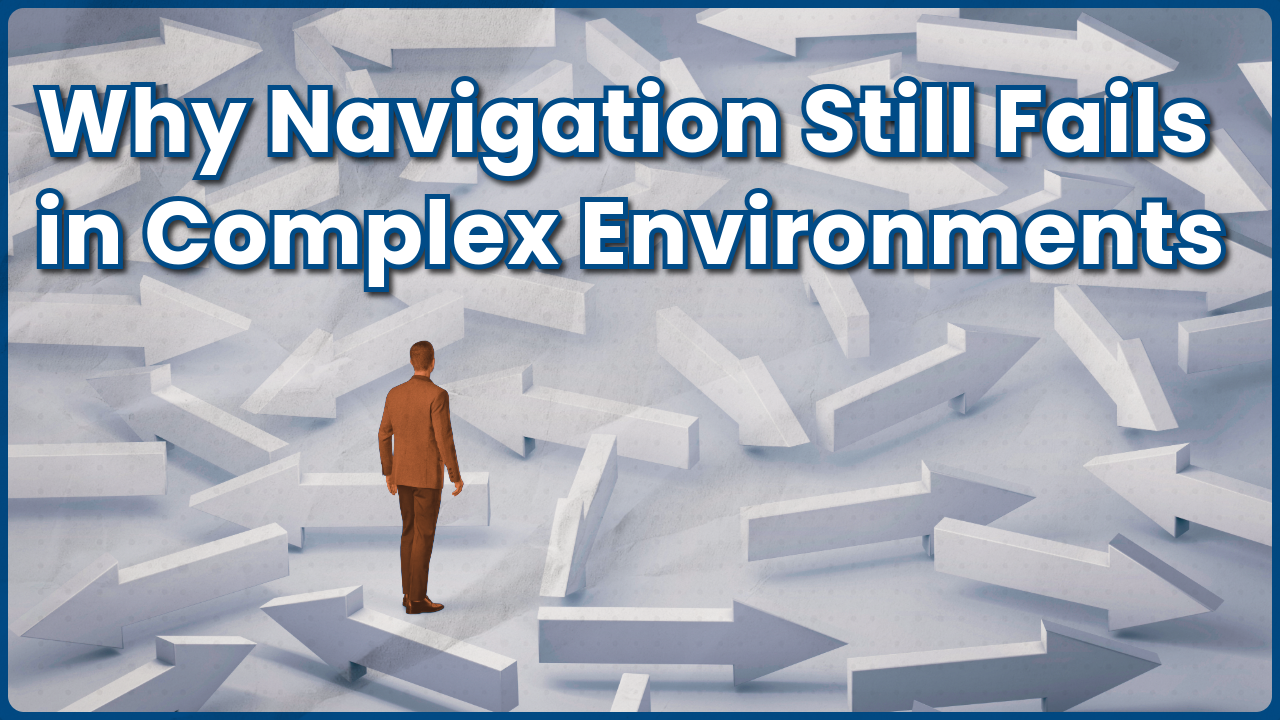
GPS works great until it doesn’t. Inside buildings, transit hubs, and large public spaces, navigation breaks down in ways most people never notice.
After a winter storm in Boston, a conversation with the Massachusetts Commission for the Blind revealed why accessibility matters most when cities are under pressure.
Accessibility becomes meaningful when trust leads the technology and the community shapes what gets built.
A new year is bringing smarter, more inclusive technology that is reshaping accessibility and opening the door to greater independence for the blind and low vision community.
The holidays reveal how essential accessibility truly is and why inclusive design creates a season where everyone can navigate with confidence.
Accessibility should be the standard, not the exception, and real progress begins when we design with the blind and low vision community instead of designing around them.
The world wasn’t built for the blind or low-vision community — but by listening, learning, and designing together, we can rebuild it for everyone.
Every story shared helps open minds, build connection, and move accessibility from awareness to action.
Community support fuels every step of Hearsee Mobility’s mission—turning generosity into real-world accessibility for the blind and low-vision community.
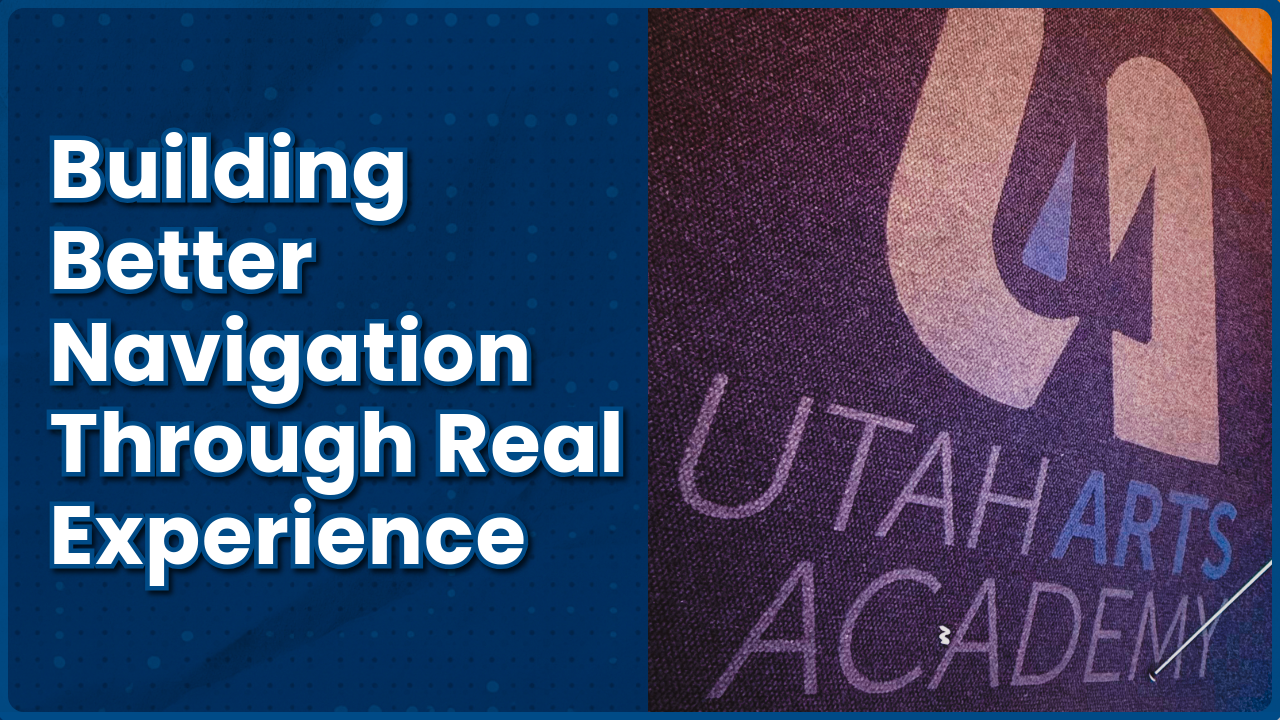
Tyson’s journey to the DNA Wall at Utah Arts Academy showcases how Hearsee Mobility’s vision-first navigation technology turns exploration into independence—proving that accessibility, when built in, empowers everyone to move with confidence.