Why accessibility only works when the community leads
TL;DR
Technology alone does not create accessibility. Trust does. At Hearsee Mobility, we have learned that the most effective navigation tools are built when blind and low-vision voices lead the process. When lived experience guides design, accessibility becomes predictable, usable, and empowering instead of overwhelming.
What is happening and why it matters
Accessibility technology is advancing faster than ever. New tools promise smarter sensors, more data, and more automation. But progress measured only by innovation often misses the most important question: does this actually help someone feel calm and confident in the real world?
From our earliest conversations with the blind community, one message has remained consistent. Independence is not about having more features. It is about having tools you can trust.
Trust is built through consistency, clarity, and respect for how people already navigate the world. When technology ignores lived experience, it adds cognitive load instead of removing barriers. When technology listens first, it becomes invisible in the best possible way.
What we have learned from the community
Working alongside blind and low-vision users has reshaped how we think about accessibility.
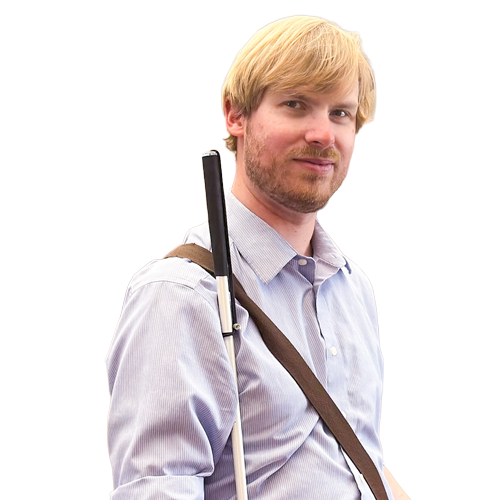
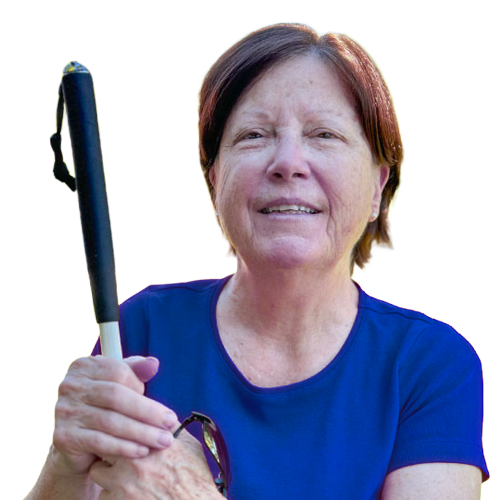
We have learned that the white cane is not something to replace. It is something people already trust. Any technology layered onto it must respect that trust and never interfere with natural movement.
We have learned that constant alerts and vibrations do not feel empowering. They feel distracting. Audio guidance works best when it is predictable, intentional, and quiet enough to leave room for the world itself.
We have learned that users want control. Not more information, just the right information at the right moment.
Most importantly, we have learned that people want to be heard. Not consulted at the end, but included from the beginning.
Why trust matters more than novelty
Many accessibility products compete on how impressive they sound. More sensors. More alerts. More intelligence.
At Hearsee, we have taken a different approach. We prioritize navigation over noise. Predictability over cleverness. Confidence over novelty.
Our technology is designed to work in real buildings, with real layouts, and real distractions. It is built to support schools, hospitals, museums, airports, and public spaces where reliability matters more than flash.
When users can anticipate how a system behaves, trust grows. When trust grows, independence follows.
How this shapes everything we build
Every Hearsee decision is evaluated through one lens: does this reduce cognitive load or add to it?
That principle shapes how we design our smart cane, our indoor navigation system, and how we plan future expansion into seamless indoor and outdoor transitions.
We resist the urge to chase trends that look impressive but confuse users. We let the community set the pace, define priorities, and guide evolution.
Technology should adapt to people, not ask people to adapt to technology.
What comes next
As Hearsee continues to grow, trust will remain our foundation. We will keep listening, testing, and refining alongside the people who use our technology every day.
Accessibility works best when it is built with the community, not around them.
If you believe independence should feel calm, predictable, and human, we would love to build with you.
Partner with Hearsee: Explore navigation pilots and institutional partnerships
Share your story: Help shape the future of accessibility through lived experience
Support our mission: Invest in technology that respects trust and dignity
👉 Ready to move? Contact Us