On inclusion, innovation, and moving beyond “good enough”
TL;DR
Too many tools and environments still assume sight is normal. That leaves blind and low vision people navigating a world built for someone else. At Hearsee Mobility, we are turning that assumption on its head by building navigation solutions informed by lived experience, not guesswork. Accessibility should not be a luxury. It should be the standard.
Your world did not build itself and accessibility did not either
Walk through any modern building: glass doors with subtle handles, glossy touchscreens for check in, staircases without tactile cues, crowded hallways, and digital kiosks that rely entirely on visuals. For many people these are invisible background details. For blind or low vision individuals these are obstacles.
The truth is simple. The world was not built for the blind and low vision community. But it can be.
Historically the world has been designed by sighted people for sighted people. That creates shortcuts, assumptions, and design choices that work well for one group and unintentionally exclude another. That disparity affects mobility, opportunity, independence, and dignity.
At Hearsee, we believe in flipping that script. Instead of forcing people to adapt to a world designed without them, we build a world that includes them from the start.
What inclusive navigation really looks like
Research shows rapid progress in indoor and outdoor wayfinding tools for blind and low vision individuals. New systems are able to guide users through complex environments with audio cues and real time feedback.
Source: University of California Santa Cruz, indoor wayfinding research
Some systems use sensor based or tag based localization to help users identify rooms and landmarks with greater accuracy.
Source: MDPI, “Navigation Systems for the Visually Impaired”
Hearsee takes these innovations further by integrating smart canes with RFID based navigation so users can move confidently in buildings where GPS cannot help. We build tools that treat accessibility as the first draft rather than the final edit.
Why community insight changes everything
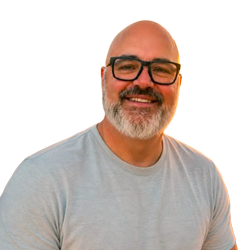
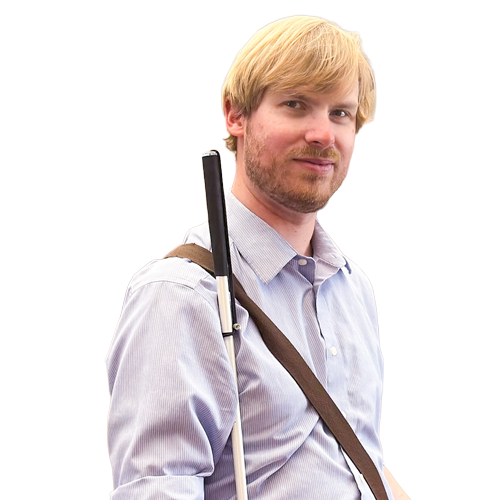
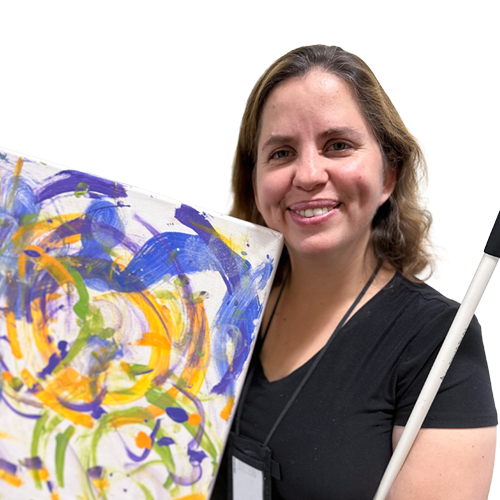
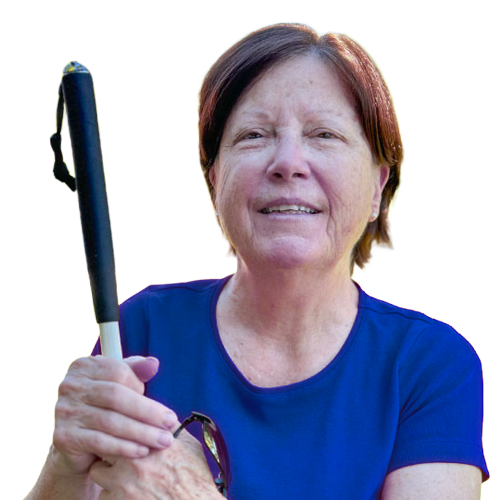
Technology alone is not enough. Real innovation only happens when people with lived experience guide the process.
We have learned that the best design decisions come from listening first. Blind and low vision users know exactly which barriers matter and which features actually improve independence.
That is why every Hearsee project begins with community involvement during planning, testing, and iteration. Their feedback shapes the technology and ensures that our solutions work for real life, not just laboratories.
What we are building and where we are going
- Navigation systems that guide users through complex indoor spaces with audio directions and real time feedback
- Tools that combine outdoor GPS with indoor navigation so users never lose orientation when stepping inside a building
- Design approaches that build accessibility into every stage rather than adding it at the end
As more schools, public buildings, and community spaces partner with us, we see firsthand how inclusive technology gives people confidence, agency, and access to opportunities that were previously out of reach.
Call to action: Inclusion requires action
Accessibility does not improve through empathy alone. It improves through intention.
- Ask what would make your space easier to navigate for someone without sight
- Include blind and low vision individuals early in design conversations
- See assistive technology as innovation, not accommodation
Hearsee is building more than tools. We are helping shape a world where access is the default.
If you want your space to reflect inclusive design, we would love to collaborate.
👉 Partner with Hearsee | Support Our Mission | Share Your Story