TL;DR:
Ho’opono Services for the Blind in Honolulu, Hawaii is one of only seven centers in the United States certified in Structured Discovery Training by the National Blindness Professional Certification Board. In the first episode of the City Accessibility Check series, Hearsee visits Ho’opono to speak with Orientation and Mobility Therapist Maurice Peret about what genuine independence in a built environment actually requires. The conversation challenges how most spaces measure accessibility and what they could do differently.
What’s Happening (and Why It Matters)
Most accessibility conversations in the built environment start with compliance. Ramps, signage, tactile strips, contrast thresholds. These are the floor.
Ho’opono Services for the Blind in Honolulu, Hawaii operates from a different premise.
As one of only seven centers in the country certified in Structured Discovery Training by the National Blindness Professional Certification Board, Ho’opono approaches blindness not as a condition to be accommodated but as one to be skilled around. That distinction matters more than it might first appear.
For venue designers, operators, and accessibility professionals, what happens inside a certified blindness training center offers a direct challenge to how most built environments think about serving blind and low-vision guests. When the people who train blind individuals to navigate independently tell you something about how spaces perform, it is worth listening.
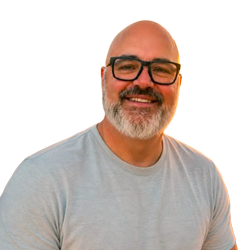
In the first episode of the City Accessibility Check series, Hearsee Mobility visits Ho’opono and sits down with Maurice Peret. His framing is direct: “Blindness is beside the point.”
When Independence Is the Goal, Accommodation Is Not Enough
Structured Discovery Training is built on a foundational idea: that blind individuals, given the right training and the right environment, can navigate complex spaces with full confidence and independence. Not with accommodations built around assumed limitations. With skills built around proven capability.
This shapes how Ho’opono interacts with the built environment. The question is not how do we help blind people get through this space. The question is whether this space actually supports independent navigation, or whether it creates dependency.
It is a harder question. It is also the more honest one.
Venues that meet accessibility standards often succeed on paper. The ADA has defined those standards carefully. But meeting a standard and enabling genuine independence are not the same thing. A ramp exists where a step once was. Audio wayfinding still does not.
What “Blindness Is Beside the Point” Means for Built Environments
When Maurice says “blindness is beside the point,” he is not diminishing the reality of visual impairment. He is saying that a well-designed space, supported by the right navigation infrastructure, removes blindness as the determining variable in whether someone can move through it independently.
For venue and facilities professionals, this reframe has practical consequences. The question is no longer how do we serve blind visitors. The question is what does our space require of people to navigate it, and are we providing the tools that make that requirement equal for everyone.
That is an infrastructure question. And infrastructure can be built.
What Certified Blindness Training Centers Know That Most Spaces Don’t
Ho’opono’s certification reflects a documented methodology with measurable outcomes: blind individuals who navigate real-world environments confidently and independently.
The spaces those individuals then encounter either support that independence or they do not.
For operators who want their venues to be genuinely accessible, not just legally compliant, what certified training centers know about how blind people actually navigate is directly relevant. It informs signage strategy, audio announcement systems, floor plan design, and navigation infrastructure decisions.
The City Accessibility Check series exists to bring those conversations out of training centers and into the spaces that need them most.
What We’re Achieving Together
The City Accessibility Check visits built environments and the organizations that serve the people who navigate them every day.
What comes out of those visits is not a checklist. It is a set of informed perspectives on what independence in a built space actually requires, drawn from the people with the most direct knowledge of that question.
Ho’opono represents one of the highest standards in that knowledge base. The conversation with Maurice Peret reflects what a certified, community-grounded approach to blindness training understands about access, dignity, and design.
Hearsee’s navigation infrastructure is built from the same premise: that the environment can meet the person, rather than asking the person to navigate around a gap.
What’s Next
The City Accessibility Check series will continue visiting organizations, venues, and communities where the intersection of built environment design and blind and low-vision navigation comes into sharpest focus.
Future episodes will explore transit systems, university campuses, civic buildings, and the teams responsible for the accessibility decisions that shape them.
If your organization works with the blind and low-vision community, or if you are responsible for a public or semi-public space, these are conversations worth being part of.
Get Involved
Partner with Hearsee: Schedule a navigation demonstration or explore accessibility partnerships.
Share Your Story: Help us build technology shaped by real experiences.
Follow Hearsee: Stay connected for project updates, accessibility insights, and community stories.
Ready to make accessibility part of your space? Contact Us.